Uncovering how session analytics guide personalized reward timing across virtual chance platforms
Written by Rosa Frank · Aug 22, 2026
Uncovering how session analytics guide personalized reward timing across virtual chance platforms
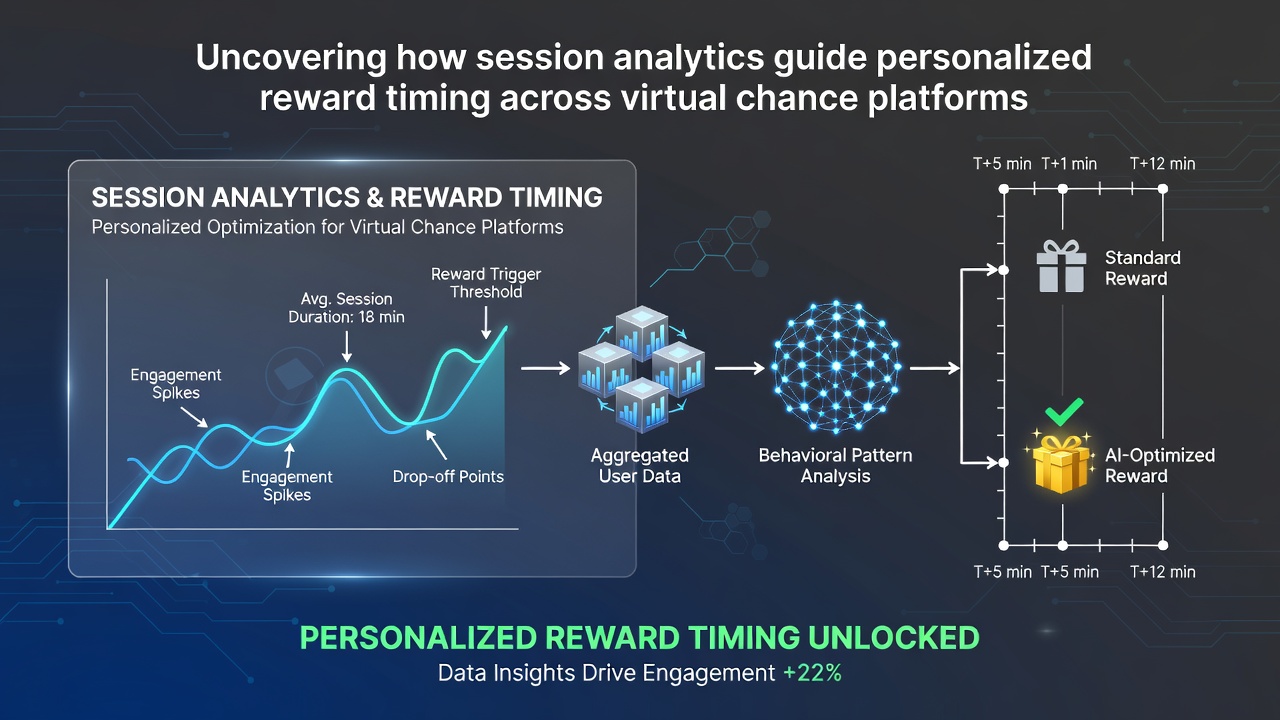
Virtual chance platforms rely on detailed session analytics to determine when individual users receive rewards, and these systems track metrics such as play duration, bet frequency, and interaction patterns to adjust timing dynamically. Data collected during each session includes time stamps for logins, spin counts, and pause intervals, which algorithms then process to identify optimal moments for delivering bonuses or free spins.
Core Components of Session Analytics in Chance Platforms
Session analytics platforms aggregate real-time data from user interactions, and they segment information into categories like engagement velocity and risk tolerance indicators while cross-referencing historical session lengths to build predictive models. Researchers at institutions studying digital entertainment have documented how these models incorporate variables such as average session time and win-loss ratios, allowing systems to forecast periods of declining activity that precede user exits.
Platforms integrate these analytics with backend rule engines that trigger rewards based on predefined thresholds, yet the timing remains fluid because machine learning adjustments recalibrate outputs after every few sessions. In August 2026, industry reports noted expanded use of such engines across multiple jurisdictions as operators sought to maintain consistent participation rates amid shifting regulatory landscapes.
Personalization Through Behavioral Pattern Recognition
Behavioral pattern recognition forms the backbone of personalization efforts, and analysts examine sequences of actions within sessions to distinguish between high-intensity bursts and steady, prolonged play styles. Systems flag users who exhibit rapid bet escalation early in a session for one category of timed incentives, whereas those with extended low-stakes activity receive different reward schedules calibrated to sustain momentum.
One documented approach involves clustering users into groups based on session heat maps, which plot activity density over minutes and hours, and this clustering enables platforms to align reward delivery with natural dips in engagement curves. External data from regulatory filings, such as those compiled by the New Jersey Division of Gaming Enforcement, illustrate how these methods correlate with measurable changes in session extension rates across licensed operators.
Mechanics of Reward Timing Optimization
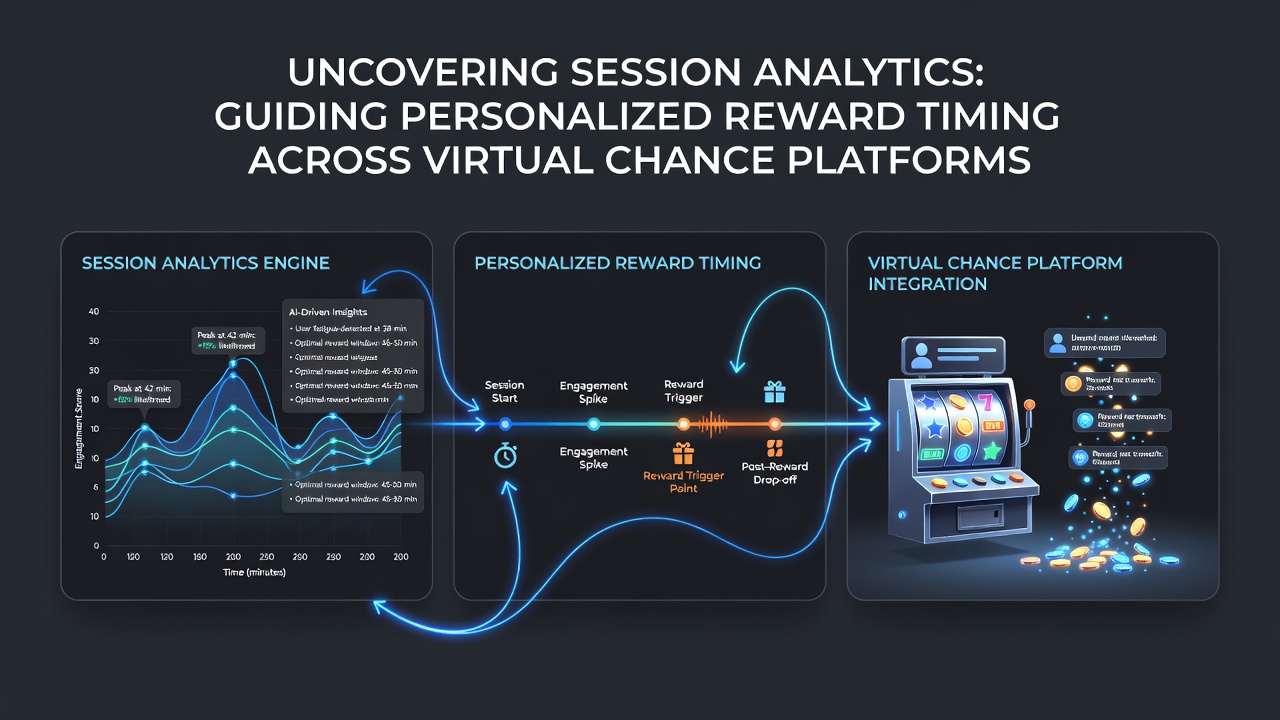
Reward timing optimization occurs when analytics engines evaluate cumulative session signals and then execute conditional logic that releases incentives at points calculated to maximize continuation. For instance, a user who has completed 45 minutes of continuous play without a notable win might receive a small reward precisely at the 50-minute mark if models predict an impending drop-off, and similar logic applies to shorter sessions where early rewards encourage extended commitment.
These engines also factor in external variables such as time of day and device type, since data indicates that mobile sessions often follow different duration patterns than desktop ones. Coordination between analytics outputs and payment gateways ensures rewards appear seamlessly within the interface, reducing friction that could otherwise interrupt the session flow.
Integration with Broader Platform Ecosystems
Virtual chance platforms embed session analytics within larger ecosystems that connect authentication layers, transaction records, and support protocols, and this integration allows reward timing to account for verification status or recent deposit activity. When a new session begins after a completed transaction, the system may adjust timing windows to reflect heightened engagement potential observed in prior comparable sequences.
Studies from academic sources, including research published through the University of Nevada, Reno's gaming management programs, have examined how these interconnected systems influence retention metrics across North American markets. The findings show that synchronized timing reduces instances of abrupt session terminations by aligning incentives with documented user behavior cycles.
Data Sources and Regulatory Context in 2026
Regulatory bodies in various regions compile statistics on platform performance, and figures from Canadian provincial oversight agencies highlight how analytics-driven reward systems contribute to stable revenue reporting in virtual channels. These reports emphasize transparency requirements that compel operators to document the logic behind timed incentives without disclosing proprietary algorithms.
Industry associations such as the European Gaming and Betting Association have published overviews noting the growing prevalence of session-based personalization tools, and their summaries reference aggregated data from member platforms operating in multiple European markets. Observers note that August 2026 saw continued refinement of these tools as operators responded to updated compliance standards.
Conclusion
Session analytics continue to shape reward timing strategies across virtual chance platforms by processing granular user data into actionable timing decisions, and this process relies on continuous model updates derived from ongoing session observations. The mechanisms described connect behavioral tracking directly to incentive delivery, creating structured pathways that platforms maintain through integrated technical frameworks. Data from regulatory and academic channels provides visibility into adoption trends without revealing operational specifics, underscoring the factual role these systems play in modern platform operations.