Tracing Reward Pathways from Entry Points Through Transaction Gateways in Virtual Slot Arenas
Written by Rosa Frank · Jun 6, 2026
Tracing Reward Pathways from Entry Points Through Transaction Gateways in Virtual Slot Arenas
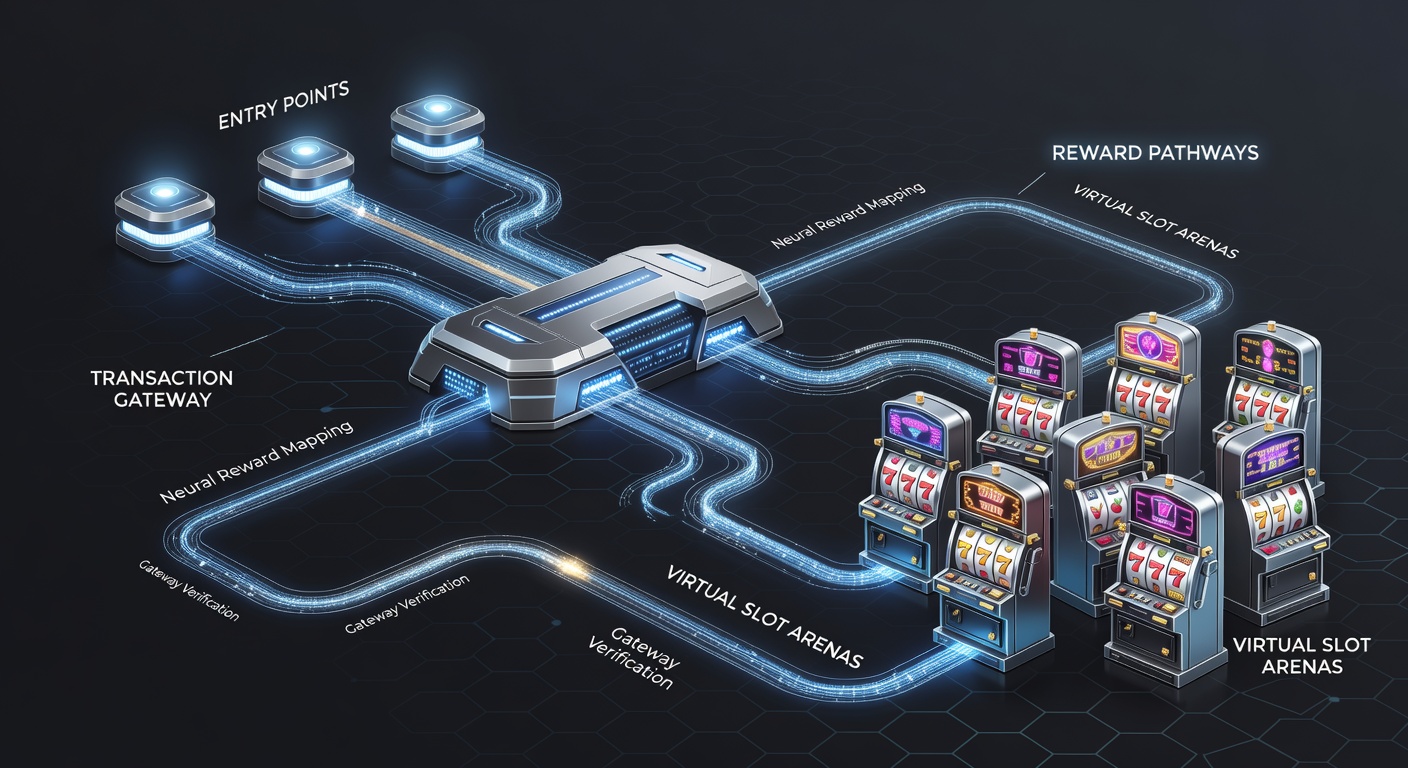
Virtual slot arenas process rewards through structured sequences that begin at user entry points and move across multiple transaction gateways before reaching player accounts, and observers note these systems rely on layered protocols to maintain accuracy during each transfer step. Entry points typically include login interfaces and initial deposit screens where authentication occurs first, while subsequent gateways handle verification, fund allocation, and bonus application in sequence.
Entry Points and Initial Authentication Layers
Users encounter entry points when accessing virtual slot platforms through web browsers or mobile applications, and data from regulatory filings shows these starting locations collect credentials before any reward pathways activate. Authentication layers verify identity through encrypted channels that connect directly to backend databases, after which transaction gateways receive signals to prepare for incoming activity such as deposits or promotional credits. Researchers have documented how these early stages reduce errors by confirming account status prior to fund movement, creating a foundation that later stages build upon during peak usage periods in June 2026.
Multiple entry variations exist across different platforms, yet all funnel information into centralized verification modules that flag inconsistencies before rewards proceed further. Those who've examined system logs report that successful entries trigger immediate pathway activation, sending data packets toward the first transaction gateway where initial balance checks occur alongside any active incentive programs.
Transaction Gateways and Reward Routing Mechanisms
Transaction gateways serve as critical junctions where incoming requests from entry points convert into executable reward actions, and figures from industry reports indicate these points manage high volumes of simultaneous operations without interruption. Each gateway applies rules that determine whether a reward qualifies for direct deposit, bonus stacking, or delayed release based on platform parameters established during account setup. Payment flows synchronize with these gateways through secure APIs that exchange confirmation tokens, ensuring the pathway remains traceable from origin to final allocation.
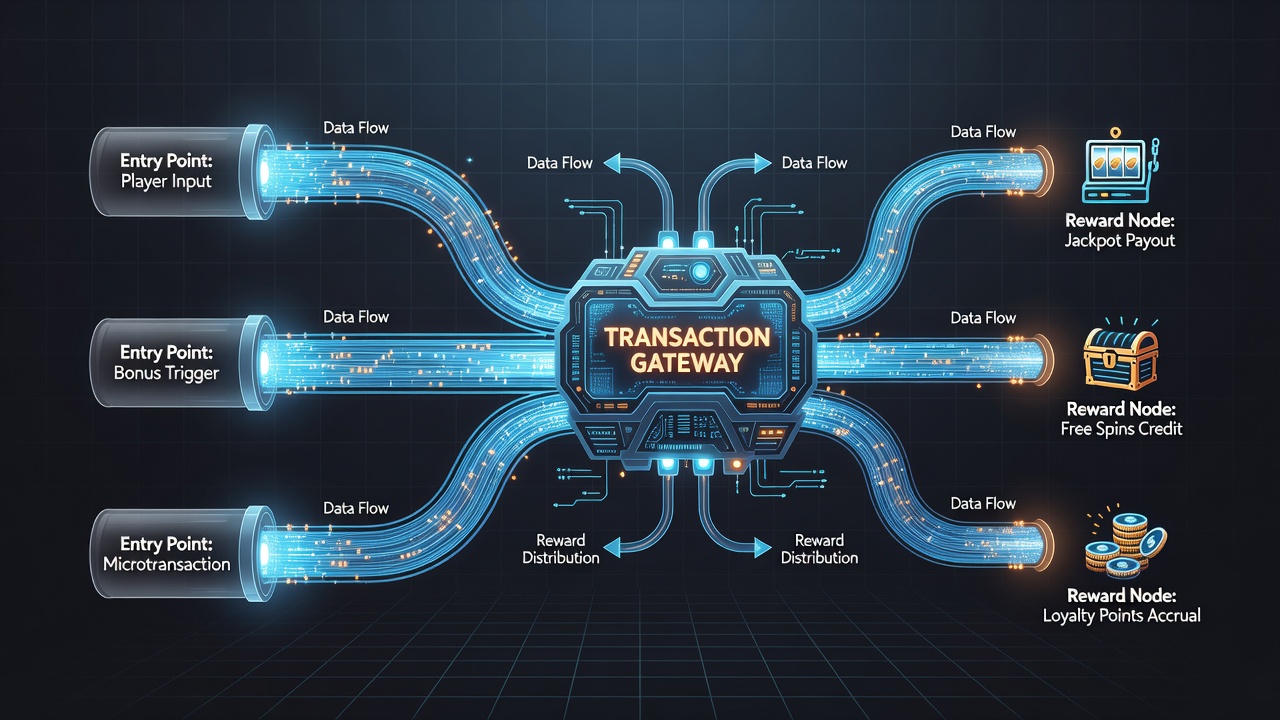
Coordination between gateways allows rewards to split across multiple destinations when promotions require partial immediate credit and partial future release, and studies from academic institutions have mapped these splitting patterns in detail. One analysis of browser-based platforms revealed that gateway sequencing prevents overlap by enforcing strict order, with each step logging timestamps that auditors later review for compliance. What's interesting is how these mechanisms scale during high-traffic windows, such as those observed around major sporting events or seasonal promotions in mid-2026.
Integration of Incentives with Gateway Controls
Incentive programs link to transaction gateways through dedicated mapping tables that assign reward values based on player behavior metrics collected at entry, and evidence from platform audits demonstrates this integration streamlines distribution while maintaining separation between base funds and promotional balances. Gateway controls enforce these distinctions by routing verified incentives through isolated channels that do not interfere with standard deposit pathways. Observers note that such separation supports regulatory requirements across jurisdictions, including those overseen by bodies like the Nevada Gaming Control Board and the Malta Gaming Authority.
Support protocols align with these controls to handle exceptions, such as failed transactions or disputed rewards, by rerouting pathways back through verification steps before final settlement. Data indicates this alignment reduces resolution times compared to earlier system designs that lacked synchronized logging across all gateways involved.
Current Patterns Observed in June 2026
Activity logs from virtual slot arenas in June 2026 show increased pathway complexity as platforms incorporate additional authentication factors at entry points while maintaining gateway throughput, according to aggregated statistics released by the American Gaming Association. These patterns include more frequent use of biometric checks that feed directly into reward eligibility calculations before funds reach transaction gateways. Industry organizations tracking browser-based chance platforms have recorded similar shifts, noting that enhanced entry protocols correlate with steadier reward delivery rates during the period.
One documented case involved a regional operator adjusting gateway rules mid-month to accommodate new promotional mechanics, resulting in measurable changes to how rewards progressed from initial verification to player-accessible balances. Researchers tracking these adjustments found that pathway tracing tools became essential for identifying bottlenecks that emerged after the updates.
Conclusion
Reward pathways in virtual slot arenas follow predictable routes from entry points through successive transaction gateways, with each stage building upon verified data from the previous one to complete allocations accurately. Patterns observed through June 2026 highlight ongoing refinements in gateway coordination and incentive mapping that support growing platform demands. Those monitoring these systems continue to examine how authentication layers and support protocols interact to sustain reliable reward movement across digital wagering environments.