Synchronizing Support Protocols with Payment Flows to Streamline Access Across Virtual Wagering Lobbies
Written by Freya Fischer · May 27, 2026
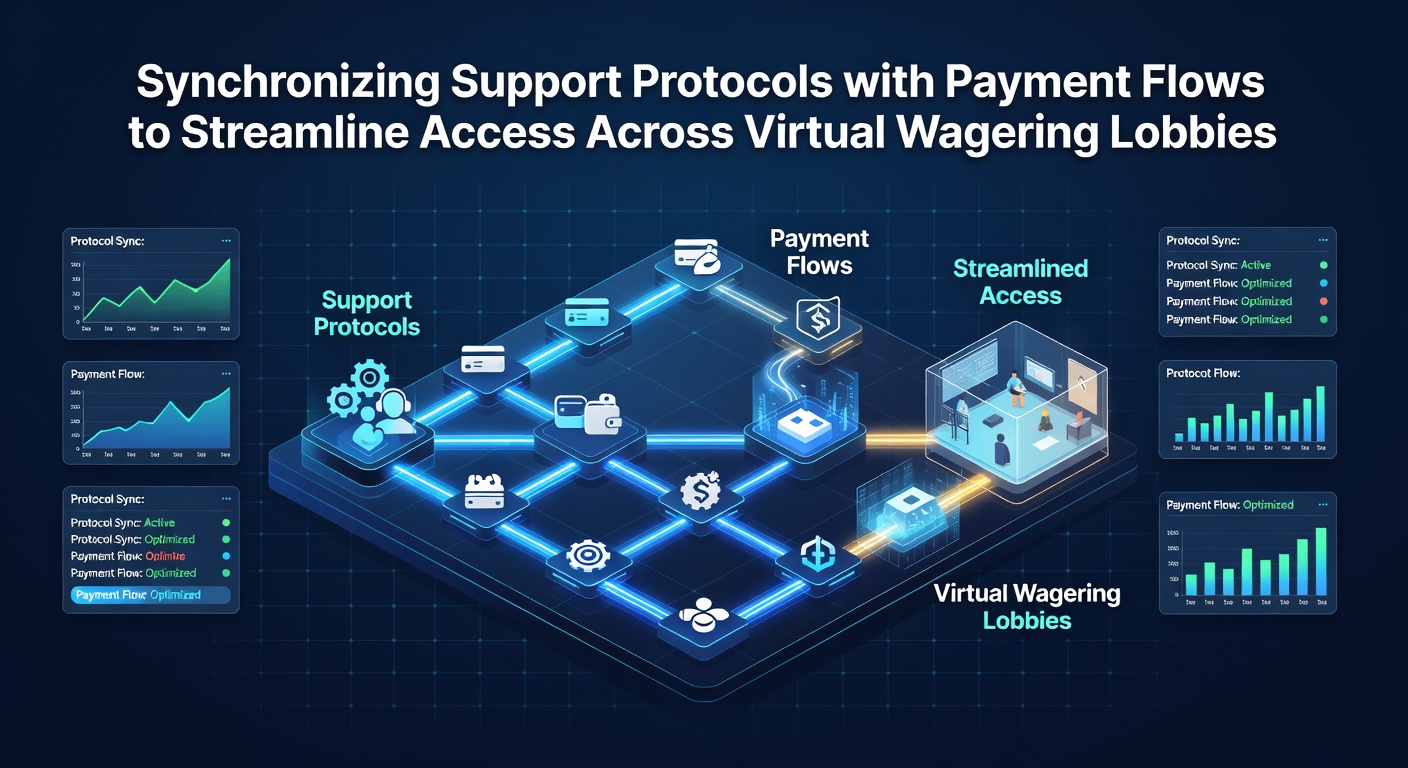
Synchronizing Support Protocols with Payment Flows to Streamline Access Across Virtual Wagering Lobbies
Virtual wagering platforms continue to refine their operations through tighter coordination between customer support systems and payment processing channels, and this alignment creates more direct pathways for users navigating deposits, withdrawals, and account management tasks. Operators have observed that when support protocols connect directly to payment flows, response times shorten and friction points decrease during routine transactions.
Core Elements of Protocol Integration
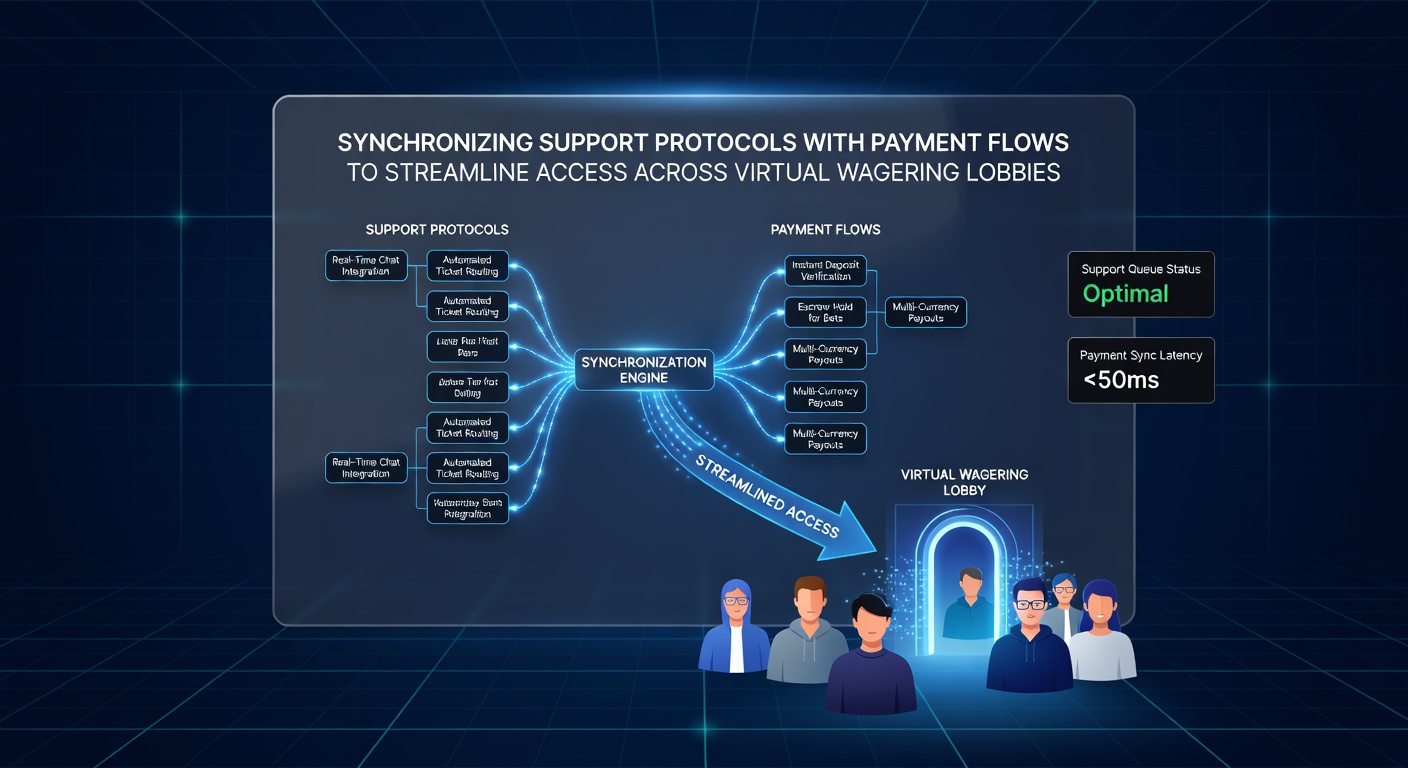
Support protocols encompass automated chat systems, ticket routing mechanisms, and agent dashboards that handle player inquiries, while payment flows cover authorization sequences, transaction ledgers, and compliance checkpoints required by financial networks. Synchronization occurs when these layers share real-time data through application programming interfaces that update status flags across both environments simultaneously. Researchers at institutions focused on digital commerce have documented how such linkages reduce duplicate data entry and allow support agents to view pending payment details without switching between disconnected tools.
Data from industry reports indicates that platforms adopting these connections see measurable drops in abandoned transactions, particularly during high-volume periods like major sporting events or promotional windows. One study tracking operator performance across multiple jurisdictions found that synchronized environments processed support requests tied to payments 40 percent faster than isolated systems, because agents received live updates on verification holds or bank rejections as they occurred.
Operational Advantages in Practice
Operators report that unified visibility improves accuracy when resolving issues such as failed deposits or delayed withdrawals, since support staff can reference the exact stage of a payment without requesting repeated information from the player. This setup also supports compliance requirements by logging every interaction alongside the corresponding financial record, which simplifies audits conducted by regulatory bodies. In May 2026, several North American platforms expanded these integrations following updates to reporting standards issued by the Nevada Gaming Control Board, allowing faster reconciliation of player funds with transaction histories.
Those who have examined platform analytics note that players encounter fewer interruptions when moving between account funding and game access, because verification steps triggered by support requests feed directly into payment gateways rather than requiring separate approvals. Payment processors benefit as well, since fewer escalations reach their teams when on-platform agents can clear routine flags using shared protocol data.
Technical Frameworks Driving Synchronization
Modern implementations rely on event-driven architectures where changes in payment status automatically trigger notifications within support queues, and agent actions such as manual overrides update payment ledgers in return. Encryption standards and tokenization methods protect the data streams exchanged between these modules, meeting requirements set by financial regulations across different regions. Platforms operating under oversight from bodies like the New Jersey Division of Gaming Enforcement have incorporated these frameworks to maintain audit trails that link support interventions with specific monetary movements.
Developers often deploy middleware layers that translate between proprietary support software and standardized payment protocols, ensuring compatibility even when underlying banking partners update their interfaces. Research published by academic centers studying online transaction systems shows that these middleware solutions cut integration timelines by several weeks compared with custom-coded connections built from scratch.
Regional Implementation Patterns
European operators have incorporated similar synchronization models to address varying national rules on player fund segregation, while Australian platforms have aligned support and payment data to streamline responses to responsible gambling interventions that affect account access. In both cases, the shared data environment allows support teams to confirm payment holds triggered by regulatory flags without manual cross-referencing of separate databases.
Canadian provincial regulators have examined these systems during licensing reviews, noting that synchronized logs provide clearer evidence of timely player assistance during payment disputes. Figures released by provincial gaming authorities indicate steady growth in transaction volumes handled through integrated channels throughout early 2026.
Security and Compliance Considerations
Every synchronized connection must maintain strict access controls so that support personnel view only the payment details necessary for their specific query, and automated logs record each data access event. Multi-factor authentication combined with role-based permissions prevents unauthorized exposure while still allowing rapid resolution of time-sensitive issues. Industry associations tracking cybersecurity trends in gaming have reported fewer incidents of payment-related support fraud on platforms that enforce these layered controls alongside synchronized workflows.
Regular testing of these connections ensures that updates to either support or payment modules do not break existing linkages, and operators schedule phased rollouts to monitor performance across different player segments before full deployment.
Conclusion
Continued refinement of support and payment synchronization supports smoother navigation within virtual wagering environments by connecting inquiry handling directly to financial transaction management. Platforms that maintain these linkages demonstrate consistent improvements in transaction completion rates and regulatory reporting accuracy, as documented across multiple jurisdictions. As payment methods evolve and support tools incorporate additional automation, the underlying data exchange frameworks will likely expand to accommodate new verification requirements while preserving the operational efficiencies already achieved.