Mapping Compliance Protocols to Credit Distribution Pathways Across Regional Digital Wagering Networks
Written by Willa Hansen · Aug 5, 2026
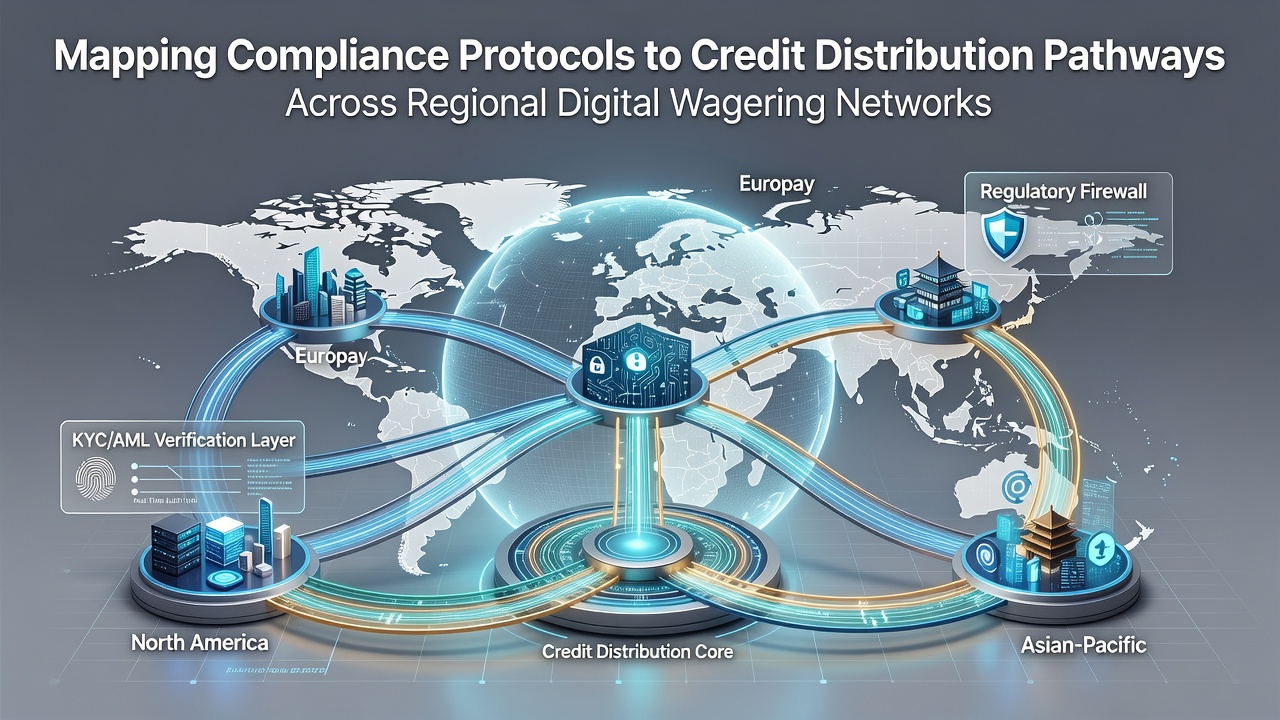
Mapping Compliance Protocols to Credit Distribution Pathways Across Regional Digital Wagering Networks
Regional digital wagering networks operate through layered compliance frameworks that align directly with credit distribution mechanisms, and observers note how these alignments vary by jurisdiction yet follow consistent structural patterns across platforms. Regulatory bodies require operators to verify user identity before any credit activation occurs, which creates checkpoints where protocols for anti-money laundering intersect with transaction gateways. Data from the New Jersey Division of Gaming Enforcement shows that these verification steps account for the majority of delays in credit release during peak hours, yet the process ensures each pathway remains traceable from entry point through final settlement.
Core Components of Compliance Protocols in Digital Wagering
Compliance protocols consist of identity verification modules, transaction monitoring systems, and risk assessment algorithms that operate in sequence. Researchers at institutions studying online gaming have documented how these modules trigger specific credit holds until conditions such as address confirmation or source-of-funds checks receive clearance. In practice, a player deposit enters a holding state while the protocol scans against watchlists, and clearance then routes the funds along predetermined distribution paths that differ by region.
Regional differences emerge clearly when comparing frameworks in North America with those in Europe and Asia. North American operators integrate state-level licensing requirements that tie credit pathways to geofencing technology, whereas European systems emphasize cross-border data sharing under directives that standardize credit reconciliation. Australian regulatory updates in August 2026 introduced new reporting intervals for credit movements, which forced operators to adjust their distribution timelines accordingly while maintaining existing verification sequences.
Tracing Credit Pathways Through Regional Networks
Credit distribution begins at deposit interfaces and proceeds through secure ledgers that record each compliance flag. Experts observe that once verification completes, credits move into player accounts via automated scripts that reference regional tax and fee structures. One study from the University of Nevada Las Vegas gaming research center revealed that these scripts reduce manual intervention by 78 percent compared with earlier manual reconciliation methods, and the reduction correlates with fewer disputes over delayed payouts.
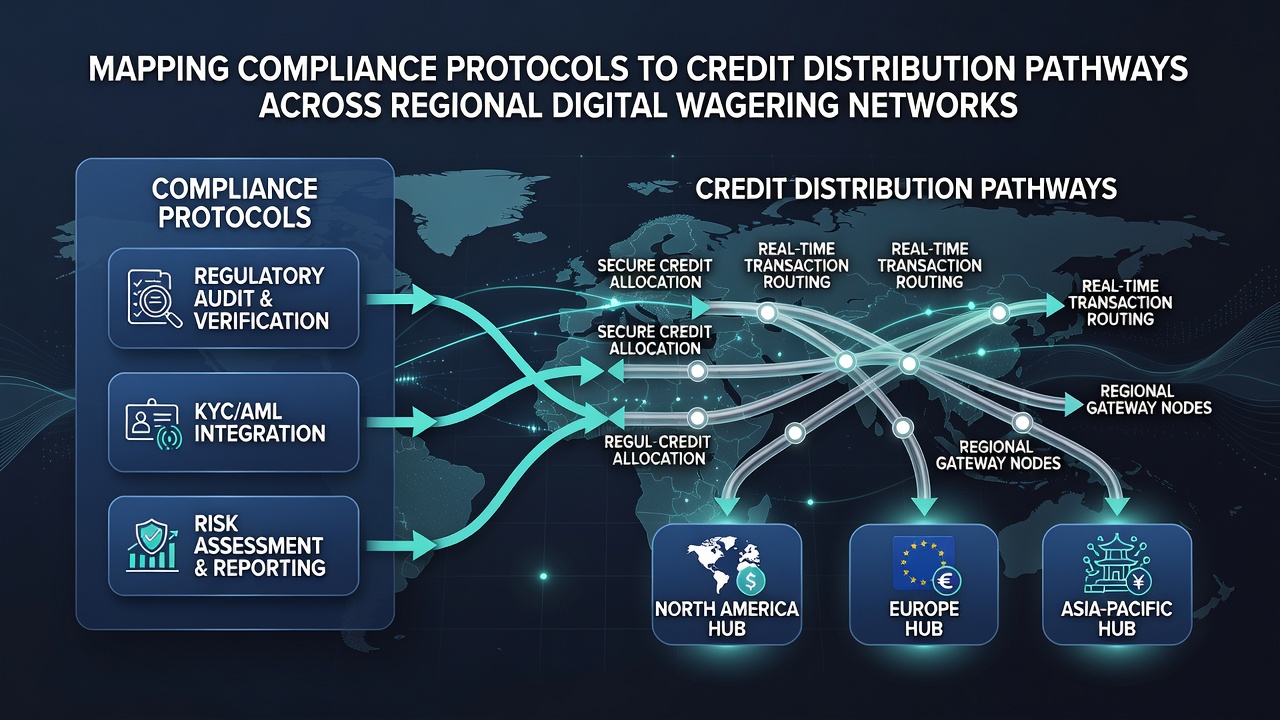
Pathway mapping becomes essential when operators expand across multiple jurisdictions because each region imposes unique constraints on how credits can transfer between game types or player tiers. For instance, certain Canadian provinces require separate credit pools for sports wagering versus casino-style games, and compliance protocols enforce these separations at the ledger level. The result is a branched distribution model where a single deposit may split into multiple credit lines, each governed by distinct monitoring rules.
Interconnections Between Verification and Reward Mechanisms
Verification steps connect directly to promotional credit releases, and operators design these connections so that bonus funds only activate after full compliance clearance. Data indicates that misalignment between these elements leads to higher abandonment rates at the deposit stage. Industry reports from the European Gaming and Betting Association highlight cases where synchronized protocols cut processing time by integrating biometric checks with instant credit allocation, provided the biometric data matches records already on file.
August 2026 brought additional scrutiny to cross-regional credit flows as several Asian markets updated their digital wagering rules to require real-time reporting of large credit movements. These changes prompted operators to embed additional mapping layers that flag potential compliance issues before credits reach game interfaces, and the adjustments have maintained operational continuity while satisfying new audit demands.
Technical Implementation Across Platforms
Backend systems use API endpoints that translate compliance outcomes into credit status codes, and developers map each code to specific distribution rules. Active monitoring tools scan these mappings continuously to detect deviations that might indicate protocol drift. Observers note that regular audits of these mappings help operators avoid regulatory penalties, especially when networks span multiple time zones with differing reporting deadlines.
Case examples from multi-state operators in the United States demonstrate how standardized mapping templates allow quick adaptation when one jurisdiction alters its credit handling requirements. The templates isolate regional variables so that core verification logic remains unchanged while distribution endpoints adjust automatically. This modular approach has gained traction because it minimizes downtime during regulatory transitions.
Conclusion
Mapping compliance protocols to credit distribution pathways continues to shape how regional digital wagering networks function, and the interconnections between verification, monitoring, and settlement remain central to operational integrity. As jurisdictions refine their rules, operators rely on precise mapping techniques to maintain compliant credit flows without disrupting player access. The patterns observed through 2026 indicate that further refinements will focus on real-time synchronization across borders while preserving the traceability that regulators require.