Mapping Assistance and Transaction Interactions in Secure Virtual Betting Portals
Written by Willa Hansen · Jun 15, 2026
Mapping Assistance and Transaction Interactions in Secure Virtual Betting Portals
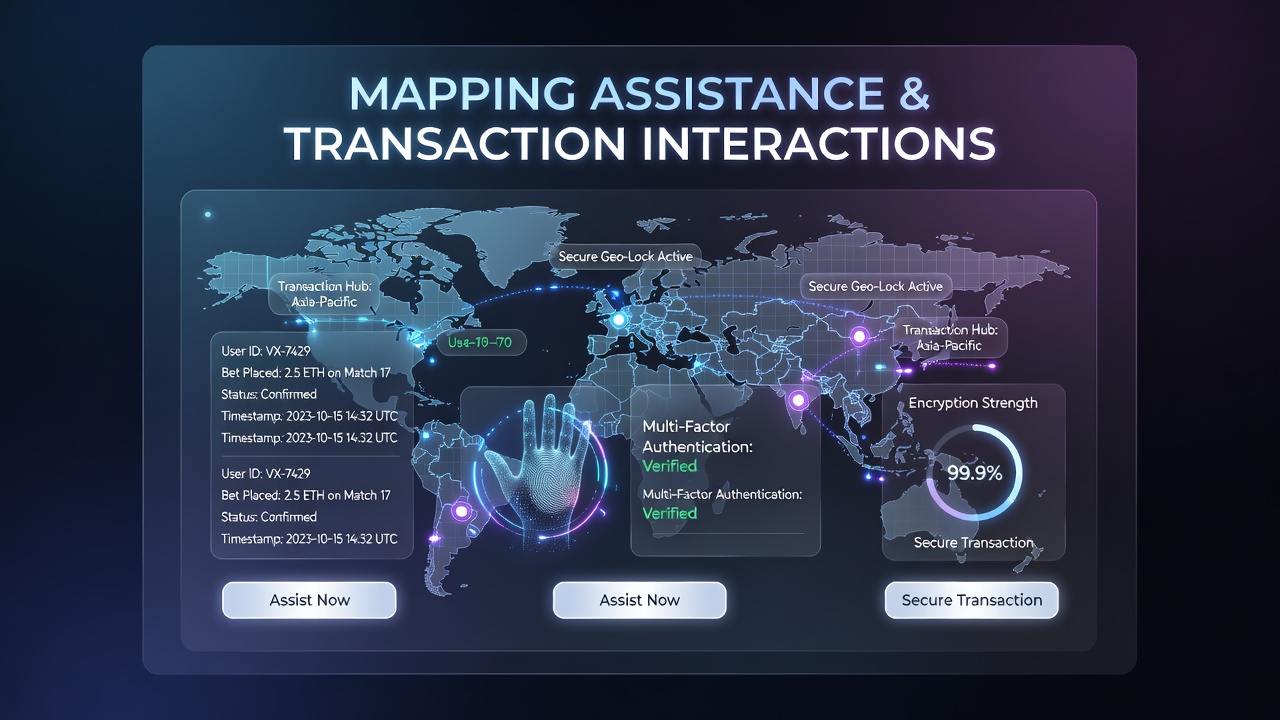
Secure virtual betting portals operate through layered systems where assistance mechanisms intersect directly with transaction processes and these intersections require precise mapping to maintain operational integrity and user access controls.
Researchers at institutions studying digital wagering environments have documented how support pathways align with payment verification steps and the resulting models show consistent patterns across multiple jurisdictions. Data from the Ontario Lottery and Gaming Corporation indicates that platforms integrating real-time assistance mapping experience measurable reductions in transaction delays during peak activity periods in 2026.
Core Components of Assistance Mapping
Assistance mapping begins with entry-point identification systems that route user queries to appropriate resolution channels while simultaneously flagging associated transaction records and this dual tracking allows operators to trace support requests through every subsequent financial interaction. Observers note that effective maps incorporate biometric checkpoints and account verification triggers at key junctions so that assistance staff access relevant transaction histories without exposing full user data sets.
Transaction interactions within these portals follow defined sequences that include deposit initiation, verification handoffs, and withdrawal confirmations and assistance protocols overlay these sequences at points where users commonly encounter friction. Studies from the University of Nevada, Las Vegas Center for Gaming Research reveal that mapped assistance points reduce repeat contact rates by aligning support interventions with specific transaction milestones such as failed authorization attempts or pending fund releases.
Security Integration Patterns
Encryption layers and multi-factor authentication protocols form the backbone of secure transaction flows and assistance systems must interface with these layers without creating additional vulnerabilities. Platform operators deploy segmented access controls that grant temporary visibility into transaction details only when assistance requests match predefined criteria and this approach maintains audit trails for regulatory compliance across North American and European markets.
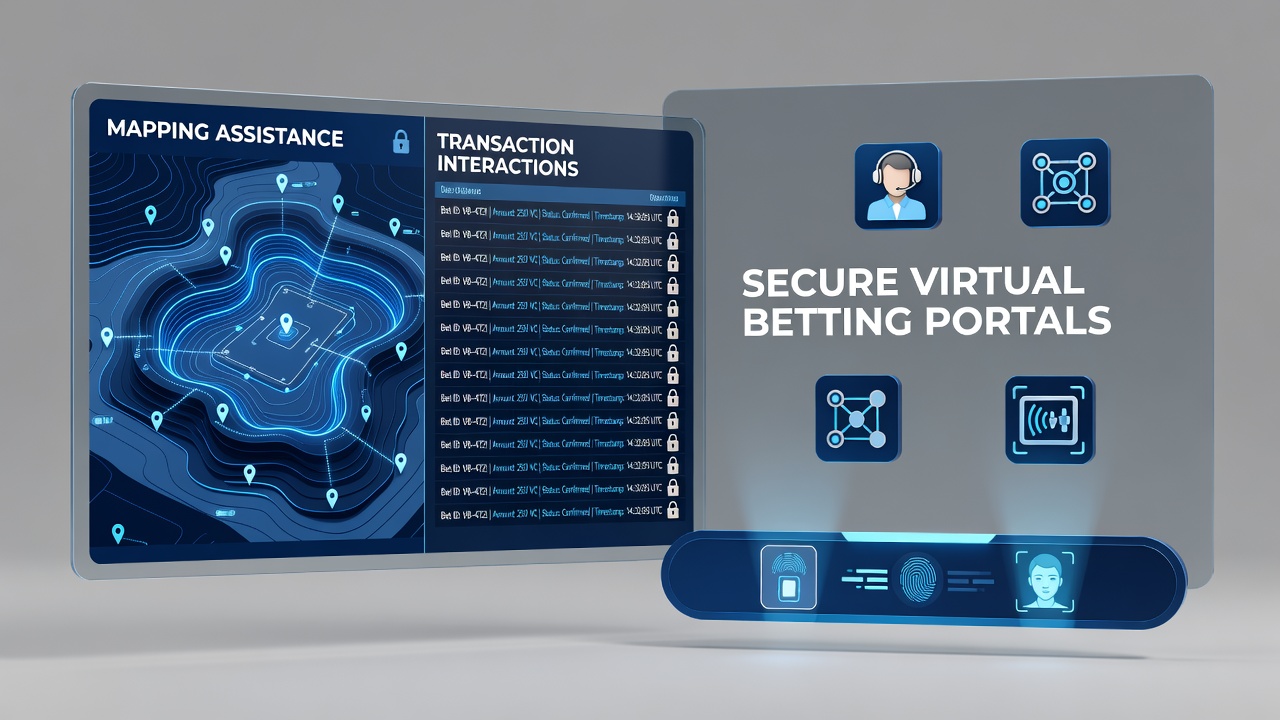
June 2026 regulatory updates in several states have emphasized the need for documented mapping of these interactions and compliance documentation now requires visual representations of how support tickets connect to payment gateways. Those who analyze portal architectures report that synchronized assistance and transaction systems enable faster resolution of disputes involving incomplete transfers or verification mismatches.
Workflow Coordination Examples
Consider a scenario where a user initiates a withdrawal request that triggers an automated security review and assistance mapping directs support personnel to review linked deposit histories and verification logs in sequence. The process continues with conditional prompts that guide the user through additional confirmation steps while the system logs each interaction against the original transaction identifier and this coordinated flow prevents information silos between departments.
Another documented pattern involves promotional credit applications where assistance teams must verify eligibility against active transaction records before crediting accounts. According to figures released by the American Gaming Association, portals with integrated mapping tools process these combined assistance and transaction events in shorter timeframes compared to disconnected systems and the efficiency gains appear most pronounced during high-volume periods such as major sporting events.
Technological Enablers and Data Flows
Application programming interfaces serve as the connective tissue between assistance dashboards and transaction processing engines and these interfaces transmit encrypted metadata that includes timestamps, user identifiers, and transaction statuses without transmitting full financial details. Developers design these connections to support real-time updates so that assistance agents see current account states rather than static snapshots.
Database architectures in modern portals segment assistance logs from core transaction ledgers while maintaining relational links through anonymized keys and this segmentation supports both operational efficiency and regulatory audit requirements. Those examining system performance data note that platforms adopting unified mapping frameworks encounter fewer reconciliation issues during monthly reporting cycles.
Conclusion
Mapping assistance and transaction interactions in secure virtual betting portals establishes structured pathways that support regulatory compliance, operational efficiency, and user resolution processes across digital wagering platforms. The documented patterns show consistent benefits when these systems operate in coordination and continued refinement of these maps aligns with evolving security standards observed through mid-2026.