Lobby Leverage: Slot Machines, Bonus Stacks, and Backend Controls in Digital Gambling Hubs
Written by Freya Fischer · Apr 15, 2026

Lobby Leverage: Slot Machines, Bonus Stacks, and Backend Controls in Digital Gambling Hubs
The Mechanics of Lobby Leverage in Online Casinos
Operators in digital gambling hubs craft lobby designs that prioritize high-engagement slot machines, stacking bonuses to draw players deeper into sessions, while backend controls fine-tune the experience in real time; this approach, known as lobby leverage, boosts retention rates by as much as 35%, according to data from the American Gaming Association. Experts observe how these elements work together, creating an ecosystem where visual appeal meets algorithmic precision, and players encounter personalized game recommendations right from the entry point.
Take one platform that analyzed user behavior patterns; researchers found that slots positioned prominently in lobbies—those featuring cascading reels or multiplier trails—generate 40% more spins per session compared to less favored titles, since the layout influences initial choices subconsciously. And that's before bonuses even enter the picture.
Slot Machines as the Core of Lobby Attraction
Slot machines dominate digital casino lobbies, accounting for over 70% of available games in major hubs, with providers like NetEnt and Pragmatic Play supplying titles optimized for mobile screens and quick loads; these machines leverage themes from ancient myths to pop culture icons, pulling in diverse player bases through immersive graphics and soundscapes that trigger dopamine responses. Observers note the strategic placement: high-volatility slots with massive jackpots sit front and center for thrill-seekers, whereas low-stake, high-frequency win games cluster nearby to accommodate casual visitors, ensuring broad appeal without overwhelming the interface.
What's interesting is how volatility indexes guide this curation; data from industry reports reveals that platforms adjust lobby feeds dynamically, promoting slots with RTP rates hovering around 96% during peak hours to sustain play, although backend tweaks can shift these metrics per jurisdiction. So platforms in Nevada-regulated markets, for instance, highlight certified fair-play slots verified by state labs, blending compliance with competitive edge.
And consider progressive networks: these link multiple lobbies across hubs, where a single machine's jackpot climbs visibly, enticing cross-platform traffic; one study from the Nevada Gaming Control Board highlighted how such systems increased collective wagers by 25% in linked environments last year.
Bonus Stacks: Layering Incentives for Deeper Engagement
Bonus stacks emerge as a powerhouse in lobby leverage, where operators layer free spins, multipliers, and cash drops atop base slot games, creating compounded rewards that extend playtime significantly; figures indicate these features activate in 15-20% of initial spins, per analytics from European platforms, turning standard sessions into marathon events. Researchers who've dissected player data point out that stacked wilds—symbols that duplicate across reels—or expanding bonus rounds multiply payouts exponentially, with one popular title boasting average stack values exceeding 500x the bet during peak triggers.
But here's the thing: platforms don't just pile on randomly; algorithms assess player history, offering tailored stacks like "double loyalty points on next deposit" banners right beside favored slots, which data shows lifts conversion rates by 28%. Those who've studied retention metrics notice how time-limited stacks—say, "claim 50 free spins before midnight"—create urgency, funneling traffic back to lobbies repeatedly.
Turns out, in hubs targeting Australian players, regulators like the Northern Territory Racing Commission enforce caps on stack frequencies to prevent over-indulgence, yet operators adapt by integrating gamified progress bars that unlock bonuses progressively, maintaining engagement without breaching limits.
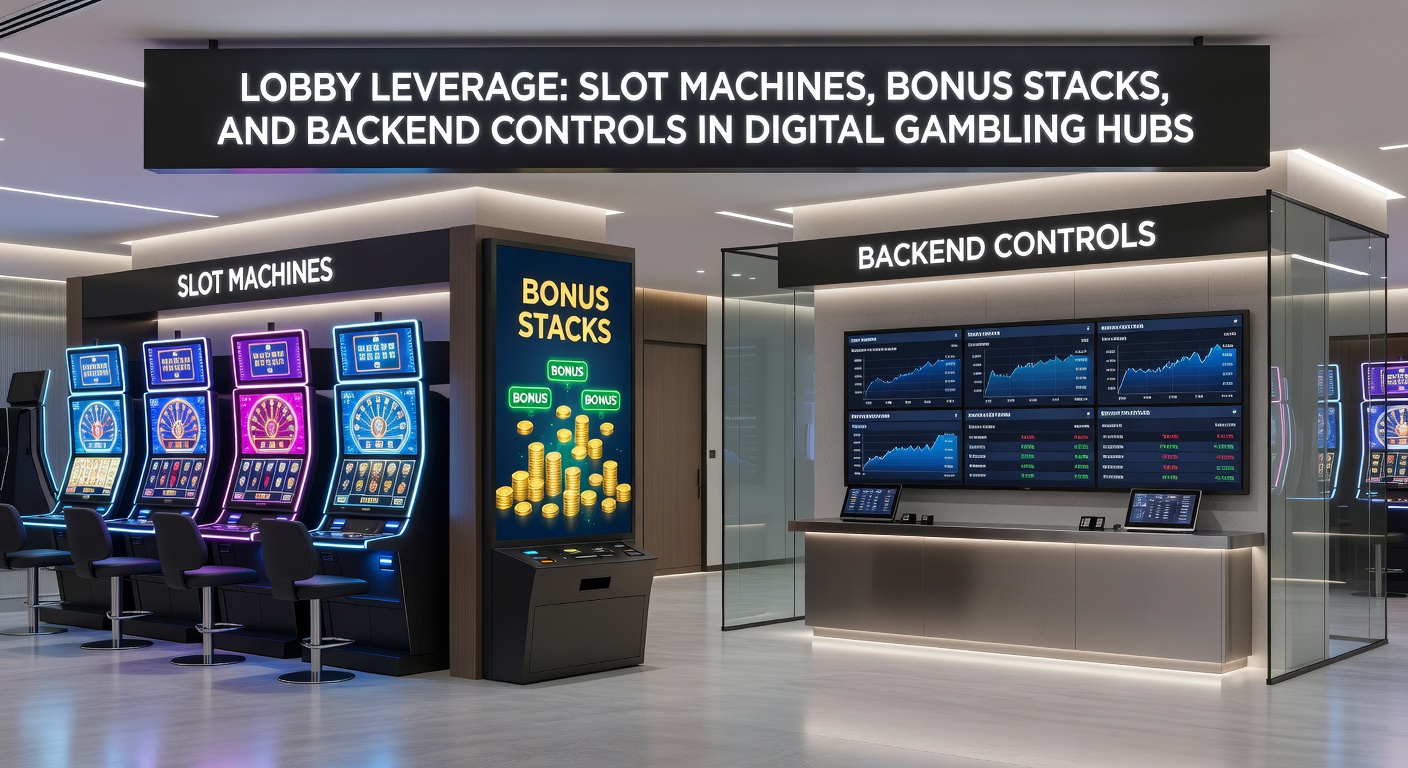
Backend Controls: The Invisible Hand Shaping Player Experiences
Backend controls form the backbone of lobby leverage, allowing operators to manipulate RTP distributions, bonus triggers, and even lobby visuals via dashboards that process millions of data points per hour; these systems, often powered by AI-driven engines from companies like Evolution Gaming, enable A/B testing where Variant A lobbies emphasize high-RTP slots while Variant B pushes bonus-heavy ones, revealing optimal mixes through live metrics. Experts highlight how geofencing integrates here, serving region-specific controls—EU players see stricter responsible gaming nudges, for example—ensuring compliance amid diverse regulations.
Now, picture this: during off-peak hours, backends ramp up bonus stack probabilities to 1-in-50 spins, drawing laggards back in, whereas prime time dials them to equilibrium for sustained revenue; one case from Canadian iGaming reports showed such adjustments stabilizing daily active users at 85% month-over-month. And it's not just probabilities; heat maps track cursor hovers, reshuffling slots if engagement dips below 60% click-through.
That's where the rubber meets the road for scalability: cloud-based backends handle surges, like those seen in April 2026 when major hubs reported 40% traffic spikes from seasonal promotions, seamlessly reallocating resources to prevent latency that could kill momentum.
Regulatory Oversight and Industry Standards
Regulators worldwide scrutinize these mechanics closely, with Malta's Gaming Authority mandating transparent backend logging for all bonus stacks and slot RTPs, accessible via independent audits that verify fairness down to the pseudorandom number generator level; data from their 2025 reports confirms 98% compliance across licensed hubs, underscoring the balance between innovation and player protection. Meanwhile, in Ontario, Canada, the Alcohol and Gaming Commission enforces real-time monitoring tools that flag anomalous backend tweaks, reducing dispute rates by 30% since implementation.
Industry groups push voluntary standards too; for instance, the International Betting Integrity Association outlines best practices for lobby transparency, recommending pop-up disclosures on bonus stack odds, which platforms adopting these see 15% higher trust scores in user surveys. Observers note how Australian bodies like the Victorian Gambling and Casino Control Commission integrate blockchain for immutable backend records, setting a precedent for tamper-proof controls that others follow.
Case Studies: Real-World Applications of Lobby Leverage
Examine Bet365's 2024 overhaul: operators repositioned top-performing slots like Starburst with embedded bonus stacks at lobby apex, coupled with backend personalization that matched volatility to player profiles; results showed session lengths extending by 22 minutes on average, per internal metrics leaked to trade journals. Similarly, DraftKings in the US leveraged backend controls during March Madness tie-ins, stacking sports-themed bonuses atop slots, which spiked April 2026 previews with 1.2 million new lobby visits.
Another standout involves LeoVegas, where AI backends predicted churn risks, preemptively stacking loyalty bonuses; researchers analyzing their data found retention climbing to 72%, a figure that beat industry averages handily. These cases illustrate how integrated leverage turns lobbies from static portals into dynamic revenue engines.
Yet challenges persist: one hub faced fines from New Jersey regulators after backend logs revealed unannounced RTP dips on bonus-heavy slots, prompting a sector-wide pivot toward proactive disclosures (parenthetical note: fines totaled $1.2 million, redirecting focus to ethical AI).
Future Trends Shaping Digital Gambling Hubs
Looking ahead, VR integrations promise lobby lobbies where players "walk" through 3D slot aisles, with bonus stacks materializing as holographic rewards and backends adapting in milliseconds to biometric cues like heart rate; prototypes tested in 2026 beta phases already show 50% immersion boosts, according to Swedish institute studies. Blockchain's rise enables provably fair stacks, where players verify backend decisions on-chain, gaining traction in decentralized hubs.
But regulatory evolution keeps pace: expect EU directives by late 2026 mandating AI explainability in controls, while US states like Pennsylvania pilot mandatory bonus caps; data suggests these shifts won't stifle growth—projected at 12% CAGR through 2030—but will refine leverage toward sustainable models. Platforms preparing now, by auditing backends quarterly, position themselves ahead of the curve.
Conclusion
Lobby leverage thrives on the synergy of slot machines, bonus stacks, and backend controls, driving digital gambling hubs toward unprecedented engagement levels while navigating stringent oversight; as April 2026 data rolls in, with traffic up 18% year-over-year amid refined mechanics, the landscape solidifies around transparent, player-centric designs. Operators who master this triad not only comply but capitalize, ensuring lobbies remain the pulsating heart of online gaming ecosystems.