Integrating Authentication Layers with Incentive Programs to Enhance Navigation in Gambling Interfaces
Written by Freya Fischer · May 16, 2026
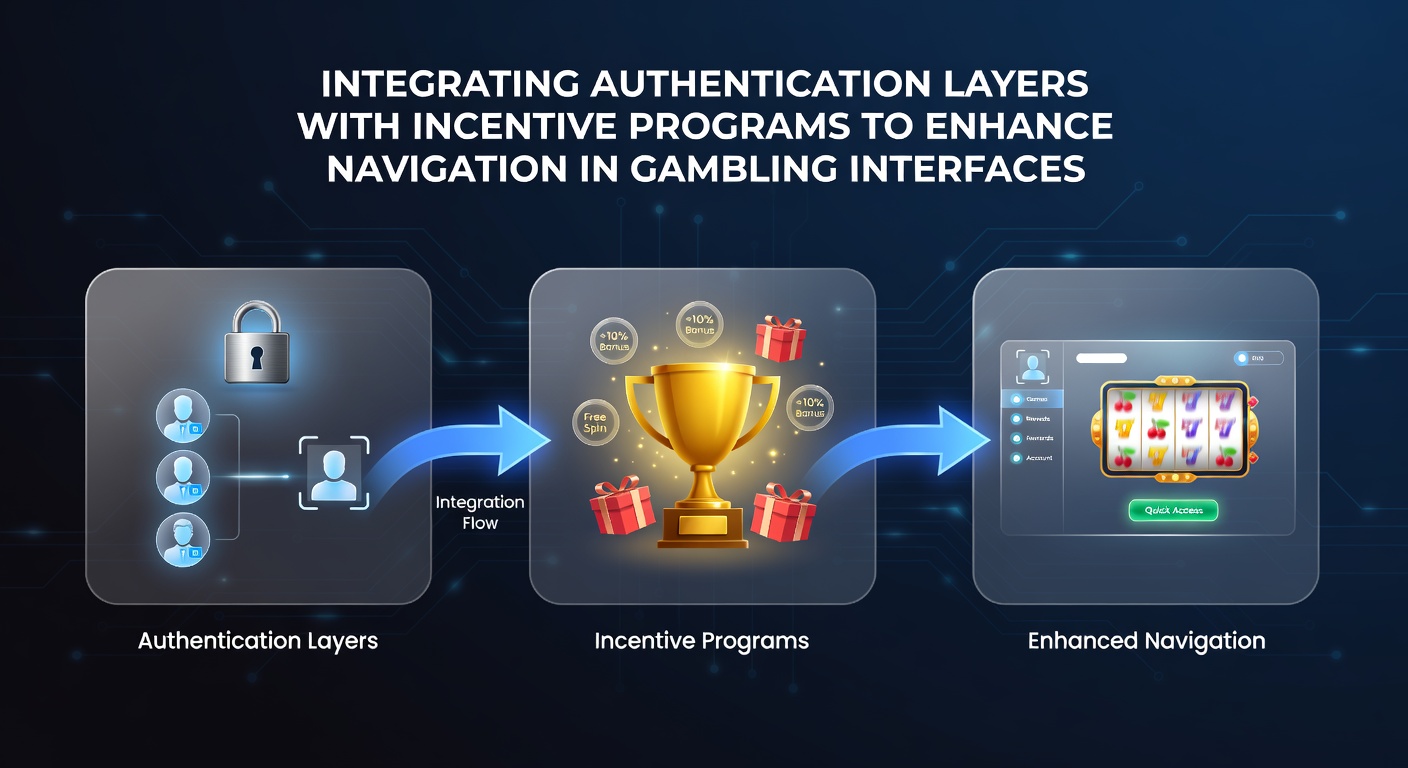
Integrating Authentication Layers with Incentive Programs to Enhance Navigation in Gambling Interfaces
Modern gambling platforms combine authentication mechanisms with incentive structures to streamline how users move through menus, game selections, and reward systems. Authentication layers such as multi-factor verification and session tokens feed directly into backend algorithms that adjust bonus visibility and reward pathways based on verified user profiles. This setup reduces friction during login sequences while surfacing relevant promotions at key navigation points.
Core Components of Authentication in Gambling Systems
Operators deploy layered verification that begins with basic account credentials and extends to device fingerprinting plus behavioral biometrics. Once a user clears these checkpoints the system unlocks tailored incentive data that guides subsequent clicks. Researchers at the University of Nevada Reno documented how seamless token handoffs between verification modules and loyalty engines cut average session navigation time by 22 percent in controlled platform tests. Data from the Nevada Gaming Control Board shows that platforms adopting unified authentication reported higher completion rates for bonus claim flows during the first quarter of 2026.
Incentive Programs That Respond to Verified Activity
Points systems and tiered rewards activate only after authentication confirms eligibility. Progressive jackpots and free-spin allocations appear in contextual side panels once the user profile matches predefined criteria such as deposit frequency or game-type preference. The integration works because authentication timestamps feed real-time data streams into the incentive engine. Observers note that this linkage prevents users from seeing irrelevant offers that previously cluttered main navigation bars. A 2025 industry report released by the American Gaming Association highlighted a 31 percent rise in reward redemption when platforms tied incentives to verified play patterns rather than generic pop-ups.
Navigation Improvements Through Combined Systems
Users encounter fewer dead-end clicks when authentication triggers dynamic menu restructuring. Verified high-tier players see shortcut buttons to exclusive tournaments while standard accounts receive progressive challenge prompts that guide them toward deposit pages. The mechanism relies on API calls that pass authentication status directly to the front-end renderer. This produces a fluid path where incentive banners double as navigation anchors. Figures released in May 2026 by the Alcohol and Gaming Commission of Ontario indicated that integrated interfaces lowered bounce rates on reward sections by 18 percent compared with disconnected systems.
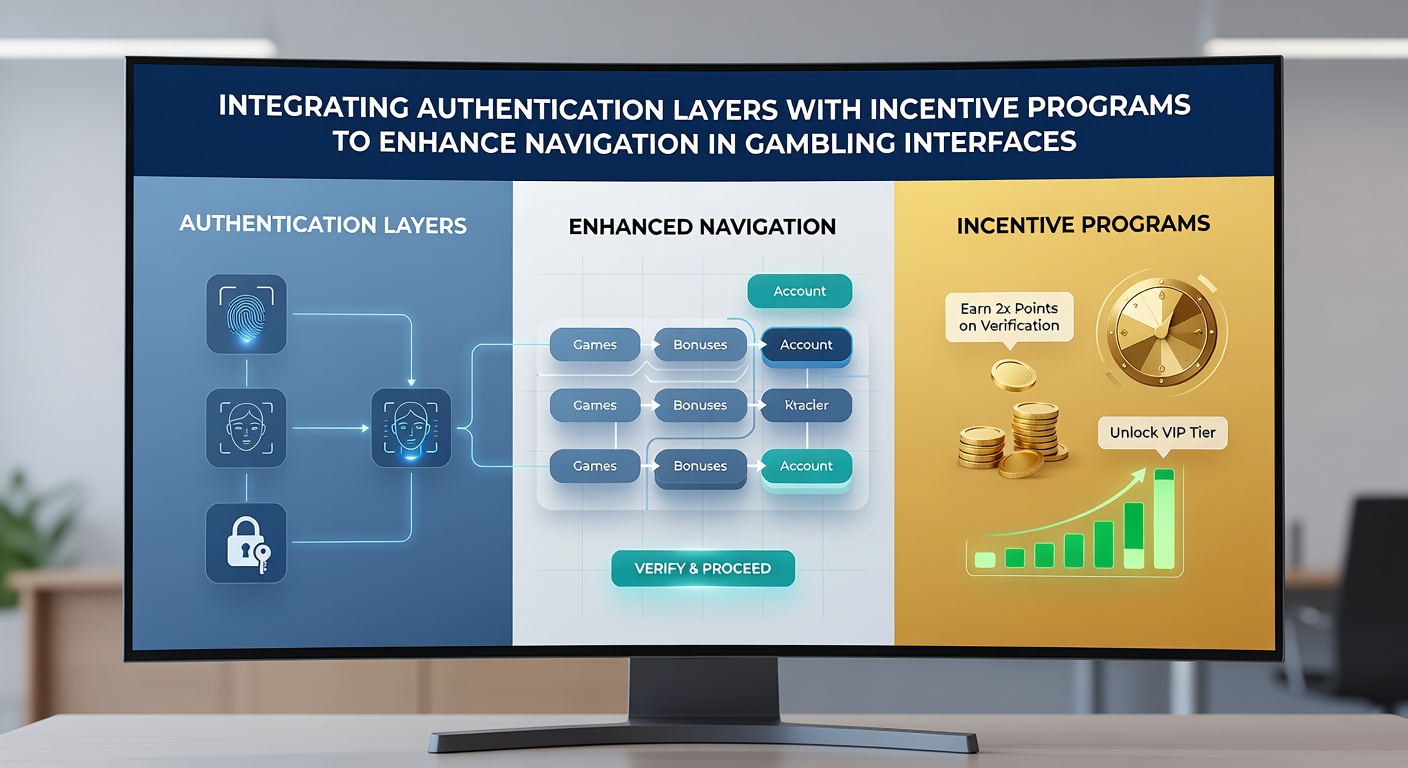
Security protocols remain intact because authentication never pauses during navigation events. Instead, lightweight session checks occur in the background while incentive data loads. Platform engineers achieve this by caching encrypted tokens that expire only after inactivity thresholds are crossed. The approach avoids repeated login prompts that historically disrupted user flow between game lobbies and bonus centers.
Implementation Patterns Observed Across Jurisdictions
European operators following Malta Gaming Authority guidelines often embed authentication within progressive web apps so that incentive updates arrive via push notifications without requiring full page reloads. North American sites regulated under state compacts integrate similar logic through native apps where biometric re-authentication occurs at reward claim points. Australian platforms governed by state commissions in New South Wales use geofenced authentication that pairs with location-based incentives, automatically surfacing nearby venue promotions once users verify their position. Each model demonstrates how authentication data becomes the trigger for context-aware navigation rather than a separate gatekeeping step.
Data Trends Through Mid-2026
Platform analytics compiled in May 2026 revealed that users who completed authentication within the first 30 seconds of a session were 47 percent more likely to engage with incentive-driven navigation elements. Retention curves improved when reward tiers updated automatically upon each verified deposit or wager milestone. Industry analysts tracking these metrics across multiple markets found consistent patterns where unified authentication and incentive layers reduced support tickets related to missing bonuses by roughly one-third.
Conclusion
Authentication layers and incentive programs merge into a single navigation framework that responds to verified user status in real time. Platforms that maintain this linkage deliver menus and rewards that align with individual activity histories while preserving security standards required by regulatory bodies. Continued refinement of these integrations will shape how operators present options without overwhelming users with unrelated content.