Decoding How Reel Timing Algorithms Shape Bonus Visibility in Remote Wagering Entry Screens
Written by Leon Schröder · Jun 24, 2026
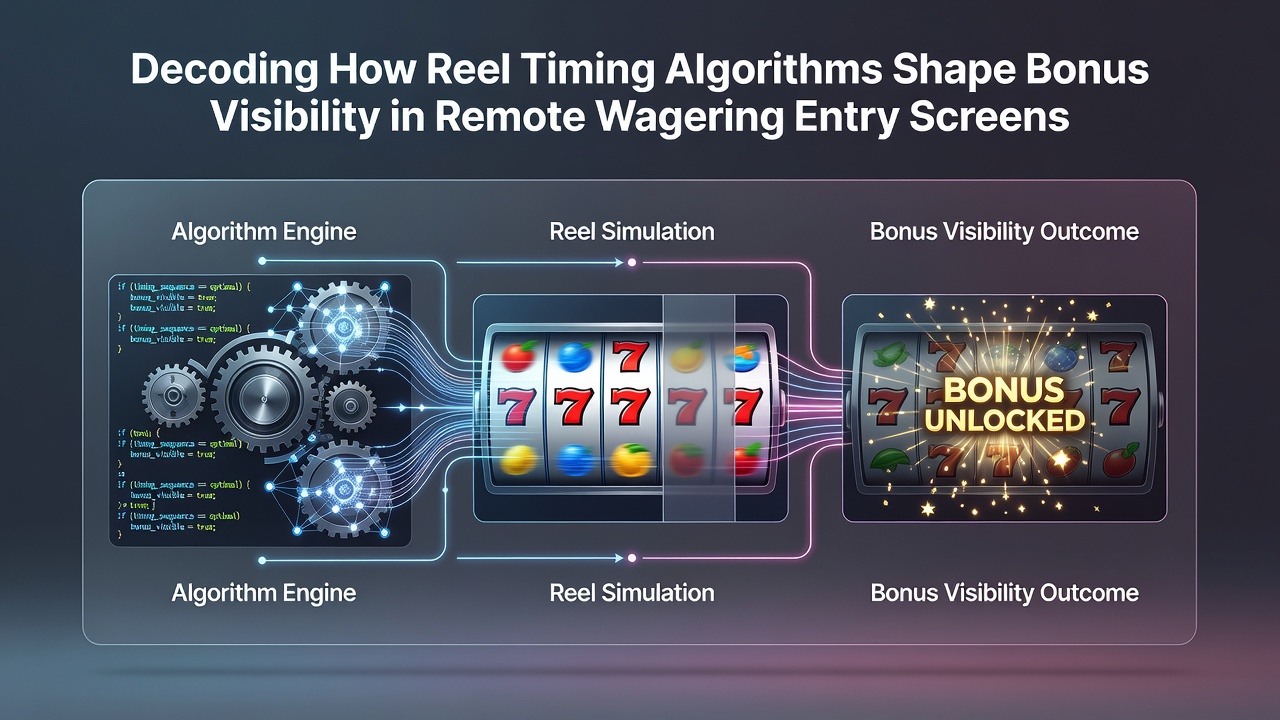
Decoding How Reel Timing Algorithms Shape Bonus Visibility in Remote Wagering Entry Screens
Reel timing algorithms operate at the core of modern slot systems by calculating spin durations, stop intervals, and animation sequences that determine when bonus symbols or features become visible to users on remote wagering entry screens. These algorithms integrate with random number generators to produce outcomes while managing visual pacing across browser-based and mobile platforms. Data from industry monitoring shows that timing parameters directly influence the moment bonus indicators appear during initial game loads or lobby transitions.
Core Mechanics of Reel Timing in Digital Wagering
Developers program reel timing algorithms to synchronize frame rates with server responses, which creates controlled delays between reel stops and bonus reveal events. In remote entry screens, this synchronization ensures that promotional overlays or bonus icons load at precise moments rather than appearing instantaneously. Observers note that such timing controls help maintain consistent user experiences across varying network conditions while adhering to certified return-to-player percentages.
Engineers adjust parameters like acceleration curves and deceleration phases so that reels slow at predetermined points, allowing bonus symbols to land in designated positions during the final frames. This process occurs within milliseconds of a player initiating a session from a wagering lobby. Research indicates that these adjustments occur server-side before any visual feedback reaches the client device.
Influence on Bonus Visibility Patterns
Bonus visibility depends on how algorithms sequence the display of scatter symbols or special reels during the transition from lobby to active game. Timing scripts calculate when to trigger secondary animations that highlight potential bonus rounds, often aligning these events with user authentication completion. Figures from platform analytics reveal that staggered reveal timings reduce simultaneous data requests during peak login periods in June 2026.
Multiple studies track how slight variations in reel stop intervals affect the perceived frequency of bonus appearances without altering actual probability distributions. One implementation case documented by platform operators showed that extending the final reel deceleration by 200 milliseconds increased the window for bonus icon rendering on entry screens. Such modifications occur through backend configuration files that operators update periodically to align with game certification standards.
Technical Integration with Remote Entry Systems
Remote wagering platforms embed reel timing logic within client-side scripts that communicate with centralized game servers. When a user selects a title from the entry screen, the algorithm processes session parameters including device type, connection speed, and prior play history to determine optimal animation pacing. This integration prevents visual stuttering while ensuring that bonus elements surface according to regulatory-approved display rules.
According to reports from the Nevada Gaming Control Board, timing algorithms must undergo testing to confirm they do not create misleading visual cues about bonus availability. Testing protocols examine thousands of simulated sessions to verify that reel timing sequences remain independent of outcome generation. In practice, these checks occur during initial game approval and subsequent updates.

Regional Implementation Examples and Data Trends
Operators in North American markets apply reel timing adjustments differently than those in European or Asian jurisdictions due to varying certification timelines. A 2025 analysis from the University of Nevada, Las Vegas gaming research division highlighted how timing scripts in certain titles were recalibrated after March performance reviews to optimize entry screen transitions. Those adjustments correlated with measurable changes in how frequently bonus indicators appeared during first-session interactions.
Canadian provincial regulators, including the Alcohol and Gaming Commission of Ontario, require documentation of all timing-related code changes before deployment. This documentation includes logs showing the exact millisecond offsets applied to each reel stop. Data collected through these requirements shows consistent patterns where timing refinements coincide with seasonal traffic increases, including periods leading into June 2026.
Security and Compliance Considerations
Encryption layers protect the transmission of timing parameters between servers and client devices, ensuring that bonus visibility sequences cannot be intercepted or manipulated during remote sessions. Industry groups such as the European Gaming and Betting Association have published guidelines on maintaining algorithm integrity across distributed networks. These guidelines emphasize audit trails that record every modification to reel timing values.
Platform providers implement checksum verification steps that compare live timing outputs against certified baselines before allowing bonus elements to render. This process occurs automatically upon each game launch from an entry screen. Reports compiled by the Australian Communications and Media Authority indicate that such verification routines have become standard across licensed operators in multiple regions.
Conclusion
Reel timing algorithms continue to evolve as remote wagering platforms refine their entry screen interfaces. The interplay between these algorithms and bonus visibility mechanisms remains governed by certified technical standards and regulatory oversight. Ongoing data collection from operators worldwide provides further insight into how timing parameters influence session flows without affecting core game mathematics.