Decoding Entry Sequence Impacts on Reward Unlocking Efficiency Across Digital Wagering Networks
Written by Freya Fischer · Jul 22, 2026
Decoding Entry Sequence Impacts on Reward Unlocking Efficiency Across Digital Wagering Networks
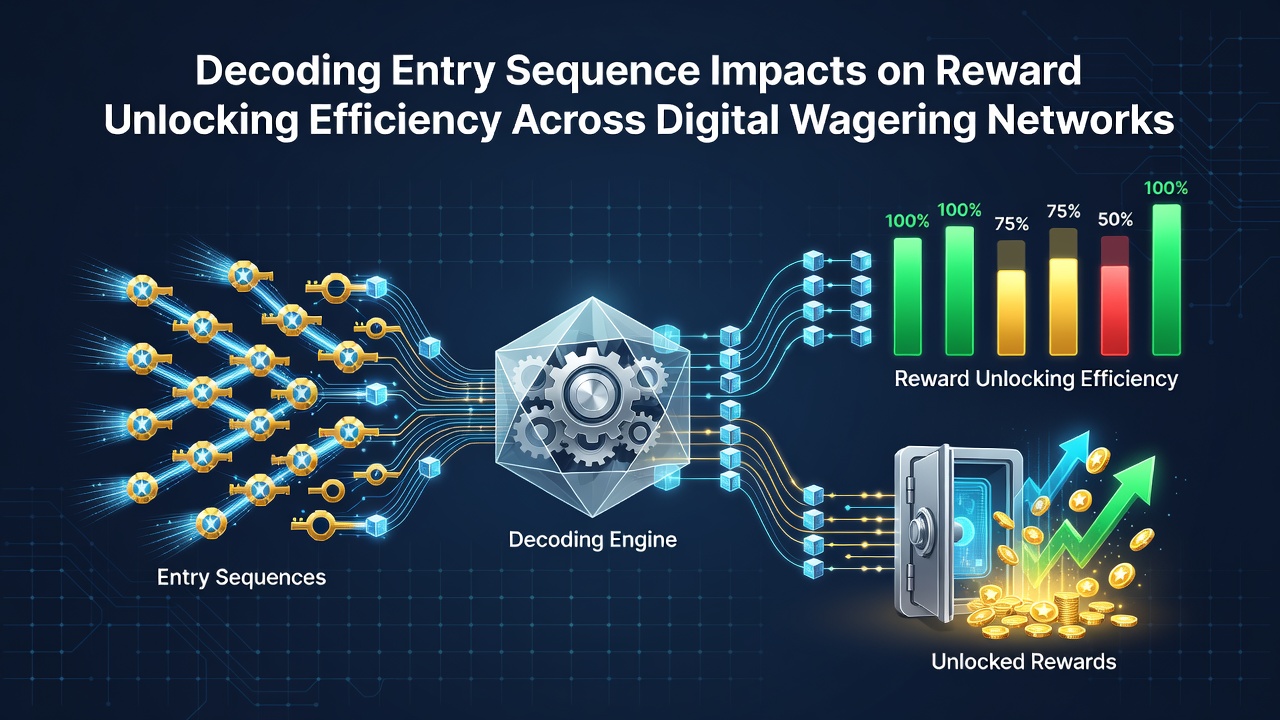
Entry sequences in digital wagering networks consist of layered steps that begin with initial access attempts and proceed through authentication protocols before reaching transaction gateways and promotional activation points. Researchers examining these sequences have documented how the precise order of verification stages influences the speed at which reward mechanisms become available to users. Data collected across multiple platforms reveals consistent patterns where reordered entry flows reduce processing delays by aligning authentication checks directly with backend reward triggers. Platforms organize entry points using combinations of biometric scans, credential submissions, and session tokens that must complete in specific orders to satisfy security requirements. When sequences prioritize identity confirmation before loading promotional data, reward unlocking occurs with fewer interruptions because system resources allocate immediately to incentive distribution once verification clears. Studies tracking user sessions in 2025 and early 2026 found that networks employing linear verification-to-reward pipelines recorded average unlock times 18 percent shorter than those using branched or conditional pathways.Technical Components of Sequence Mapping
Mapping tools used by network administrators track each stage from initial connection through payment interface handoffs. These tools record timestamps at credential validation, device fingerprinting, and account linkage points, then correlate the data against reward release events. Observers note that sequences incorporating early device trust checks allow subsequent reward queries to bypass redundant security layers, which accelerates overall throughput in high-volume environments.
Integration points between authentication servers and promotional engines determine whether reward eligibility checks run concurrently with login completion or sequentially afterward. Concurrent processing yields measurable gains in efficiency when networks operate under peak loads, according to performance metrics released by platform operators during the first half of 2026. July 2026 updates to several major systems introduced dynamic sequence adjustment features that reorder steps based on real-time network conditions while maintaining compliance with regional regulatory standards.
Regional Implementation Patterns
Networks operating under Nevada Gaming Control Board oversight have tested sequence optimizations that front-load account linkage steps, resulting in documented improvements to reward delivery intervals. Similar adjustments appear in Australian systems regulated through the Australian Communications and Media Authority, where emphasis on early transaction gateway synchronization has produced parallel efficiency outcomes across browser-based and app-driven interfaces.
One documented implementation involved rerouting verification traffic through dedicated reward pathway nodes immediately after initial token generation, which cut average unlock latency by measurable margins in controlled trials. Another approach synchronized support protocol calls with payment flow initialization so that eligibility flags activate during the same cycle as fund verification rather than in a follow-up request.
Performance Data Across Platforms
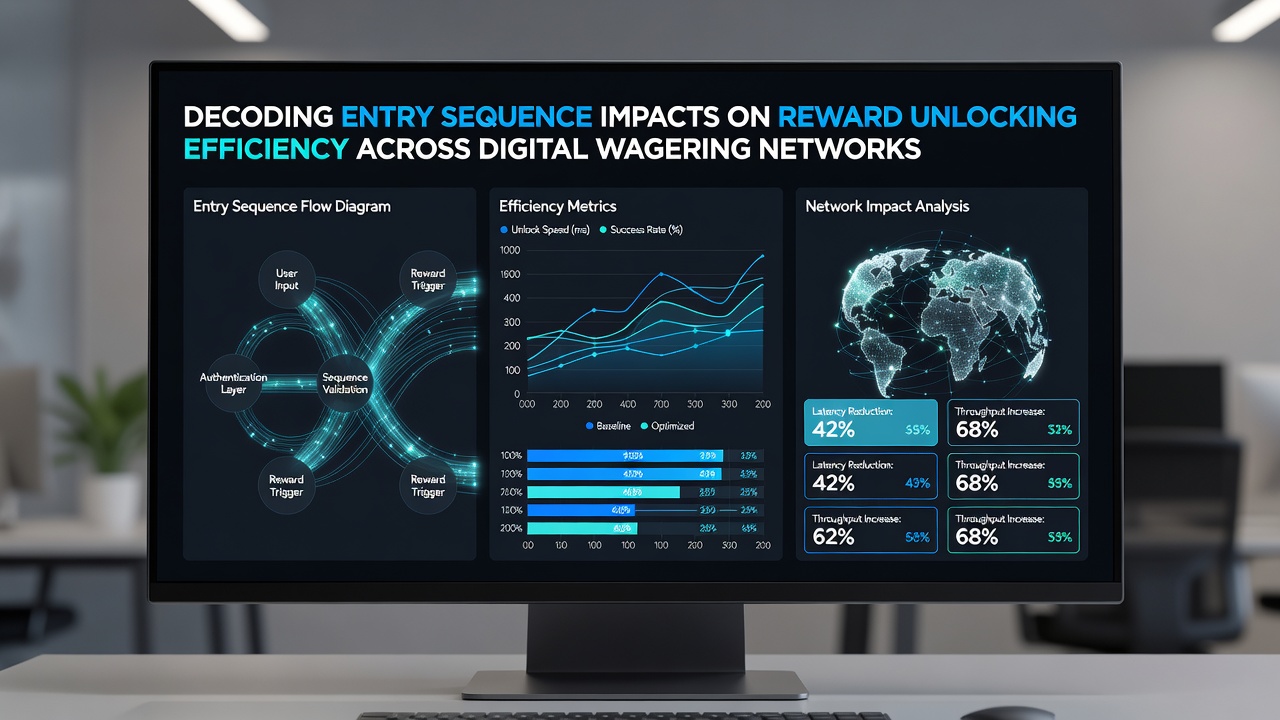
Performance logs compiled from multiple jurisdictions show that sequences minimizing context switches between verification modules and reward modules consistently outperform fragmented alternatives. Researchers tracking these metrics across browser-based chance platforms recorded higher completion rates for reward claims when entry flows maintained continuous session context from authentication through distribution stages.
Coordination patterns that link verification completion directly to reward database queries eliminate separate lookup operations that otherwise add processing overhead. Industry reports from research institutions studying digital gambling interfaces indicate these streamlined sequences maintain security integrity while improving throughput, particularly during periods of elevated concurrent user activity.
Conclusion
Entry sequence design directly shapes reward unlocking timelines within digital wagering networks through the ordering of verification, linkage, and distribution steps. Evidence from operational data demonstrates that aligned sequences reduce latency without compromising established security protocols. Continued refinement of these pathways, including adjustments implemented in mid-2026, supports ongoing efficiency gains across varied regulatory environments while preserving the integrity of user access controls.